Bernese Mountain Dog Hot Spots: Why They Happen?
If you have a Bernese Mountain Dog, you already know one thing: That gorgeous fluffy coat can trap a lot of moisture.
And unfortunately, moisture is one of the biggest reasons hot spots can spiral out of control fast.
I have become a little obsessed with the “dry method” for irritated skin, especially for thick-coated dogs like Berners, ‘cause I have one!

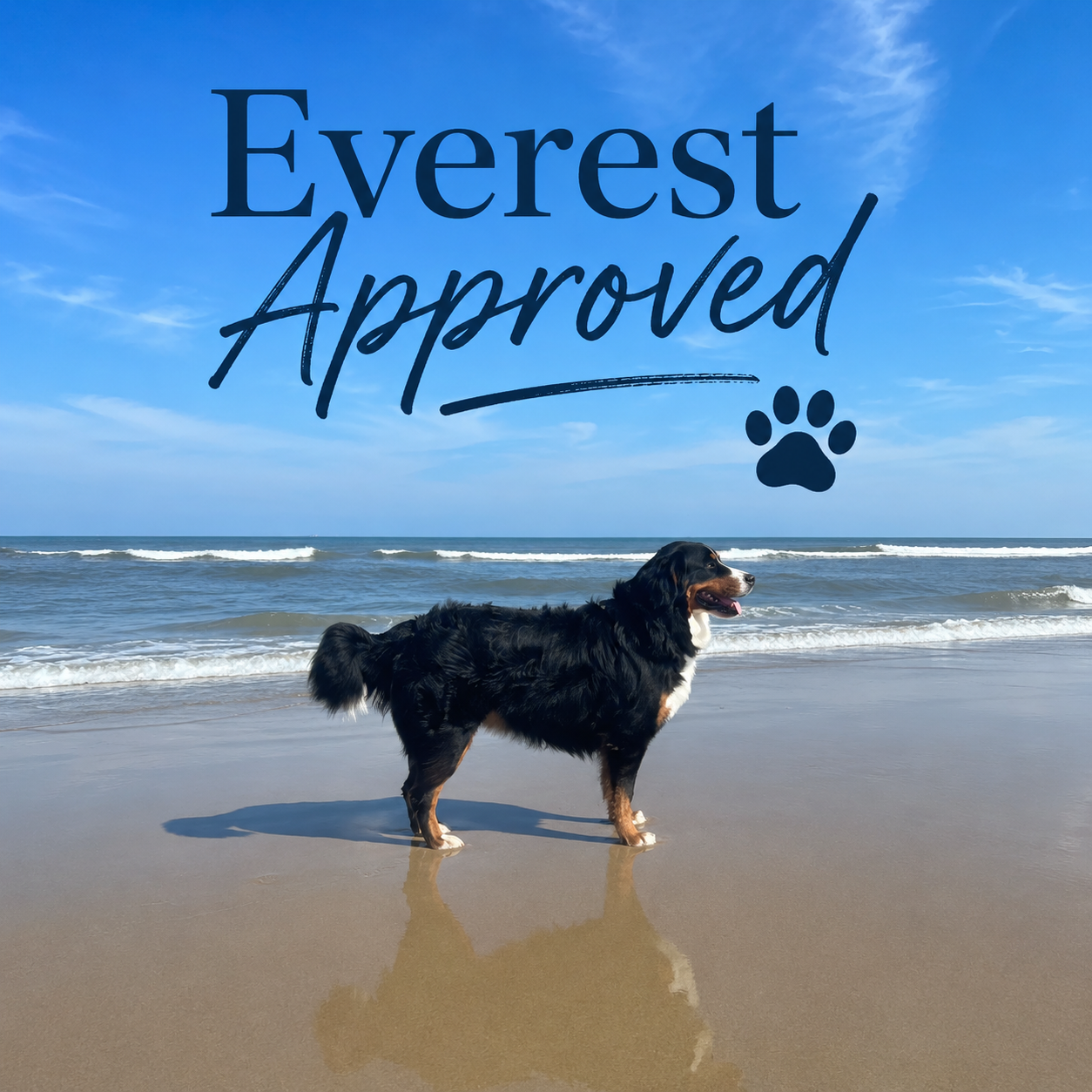
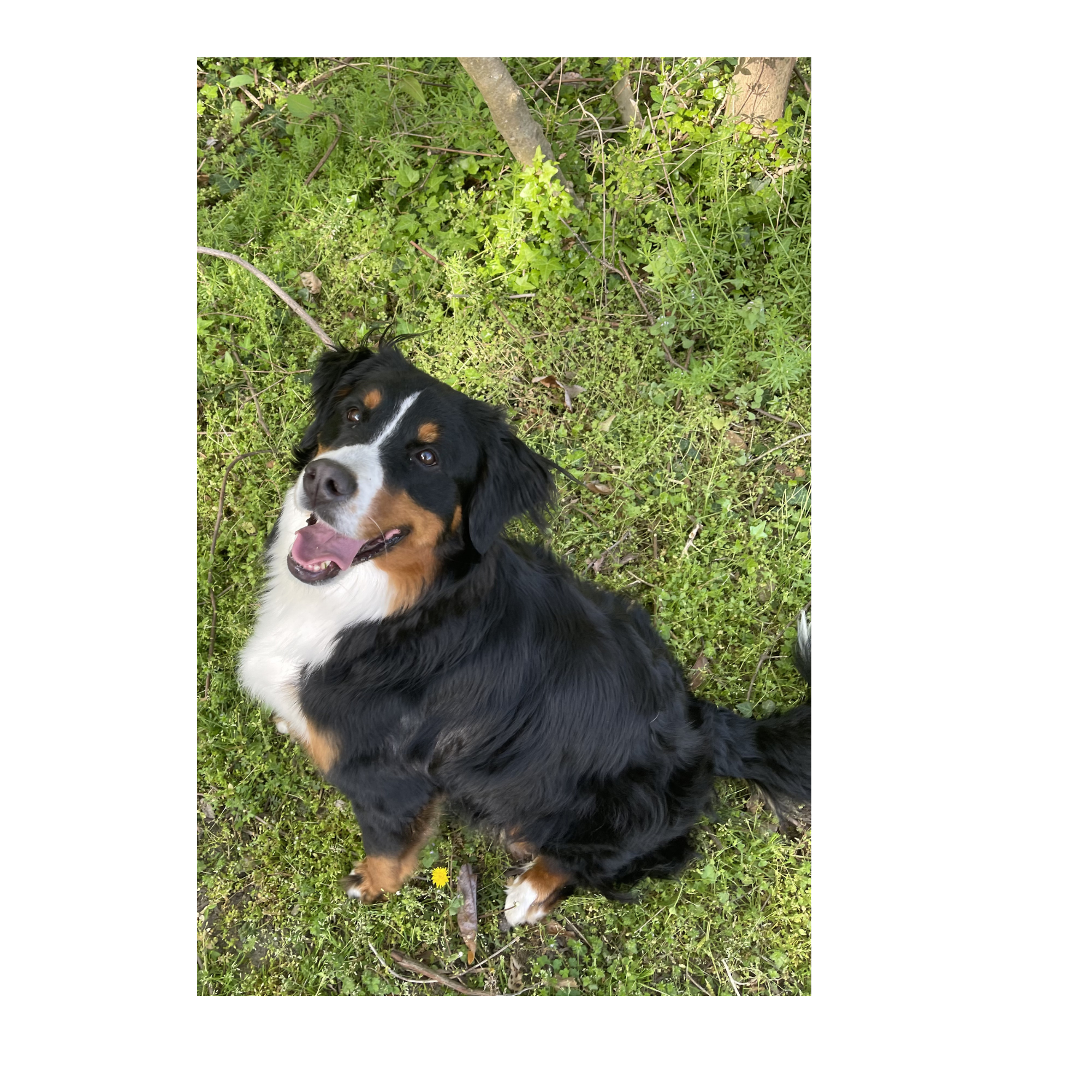
Everest 3 year old Bernese Mountain Dog
What Are Hot Spots on Bernese Mountain Dogs?
Hot spots (also called acute moist dermatitis) are red, irritated patches of skin that can appear suddenly and spread fast.
They’re often:
warm to the touch
itchy
damp or oozy
painful
constantly licked or chewed
And Bernese Mountain Dogs are especially prone to them because of their:
dense double coat
thick feathering
trapped moisture after swimming or rain
tendency to stay damp close to the skin
Even something small — like a bug bite or grass irritation — can turn into a large irritated area once licking and moisture begin.
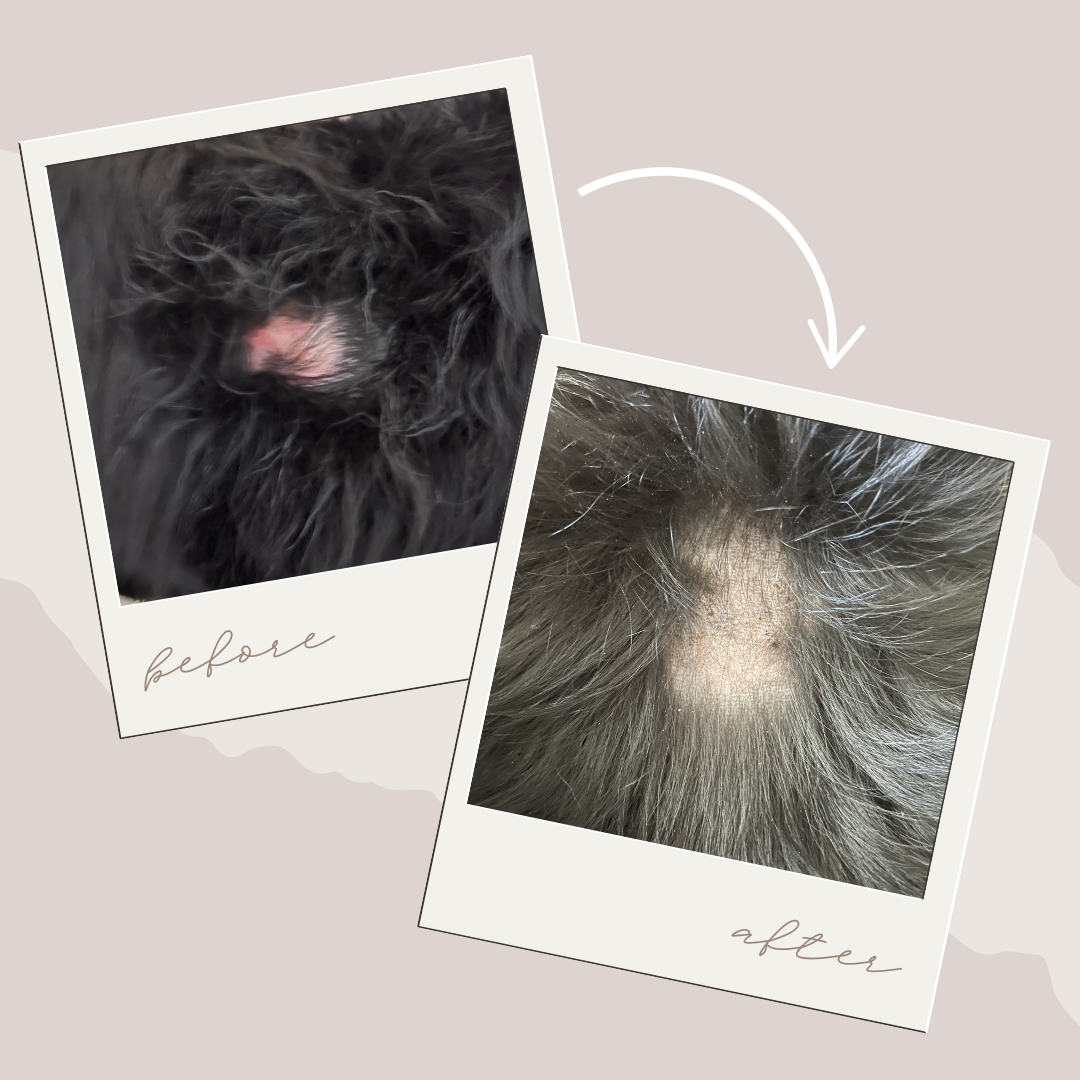
Everest HotSpot started with an itch and grew in size over night
Why Berners Struggle More Than Some Other Dogs
That beautiful coat is part of the problem. Moisture can hide deep under the fur where airflow is limited.
That means:
water after baths stays trapped
humid weather sits against the skin
saliva from licking creates even more moisture
sprays and creams can sometimes keep the area wetter
For many dogs, “wet treatments” can accidentally create a cycle where the skin never fully dries out.
That’s one reason I became so interested in moisture-control powders instead.
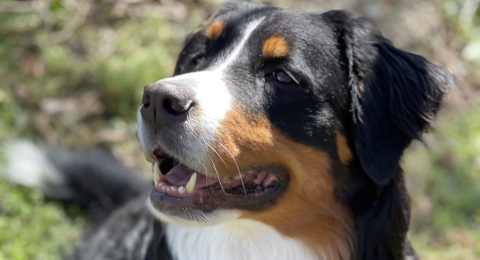
Everest
Why I Believe in the “Dry Method”
Most hot spot conversations focus only on soothing ingredients.But one of the biggest issues is often moisture itself.
That’s why our approach at HotSpot K9 focuses on helping keep irritated skin:
dry
breathable
comfortable
less sticky and damp
Our powder uses a simple blend of natural ingredients:
potato starch
arrowroot powder
white kaolin clay
No essential oils.
No fragrance.
Just a soft, cloud-like powder designed to move through thick fur more easily.
Bernese Mountain Dogs and “Hidden Moisture”
Berners are notorious for “looking dry” on top while still being damp underneath.
Especially after:
lake days
beach trips
rain
snow play
baths
humid walks
That trapped moisture can sit against the skin for hours.
For thick-coated dogs, drying all the way down to the skin matters more than many people realize.
Helpful Tips for Bernese Hot Spots
1. Dry deeper than you think
Use towels, airflow, and brushing to dry beneath the coat — not just the surface.
2. Watch grass allergies
Many Berners get itchy from seasonal grass exposure, especially on paws and belly.
3. Keep an eye on licking
Moisture from saliva can escalate irritation quickly.
4. Avoid trapping moisture
Heavy ointments or overly wet sprays may keep the area damp longer.
5. Catch irritation early
The earlier you calm moisture and licking, the better.
Our Bernese-Inspired Obsession
Honestly? Thick-coated dogs are a huge part of why HotSpot K9 exists. I have a Berner!
I kept seeing the same pattern:
moisture
trapped fur
licking
irritation getting worse fast
So I started testing softer, lighter powders inspired by skincare textures instead of sprays.
The goal was simple: Help keep irritated skin dry without turning the fur into a paste.
Final Thoughts
Bernese Mountain Dogs are fluffy, lovable, dramatic angels. 🤍
But that gorgeous coat needs extra attention when it comes to moisture and skin irritation.
If your Berner struggles with hot spots, itchy belly flare-ups, or damp irritated skin, focusing on dryness may make a bigger difference than you think. Try our powder!